
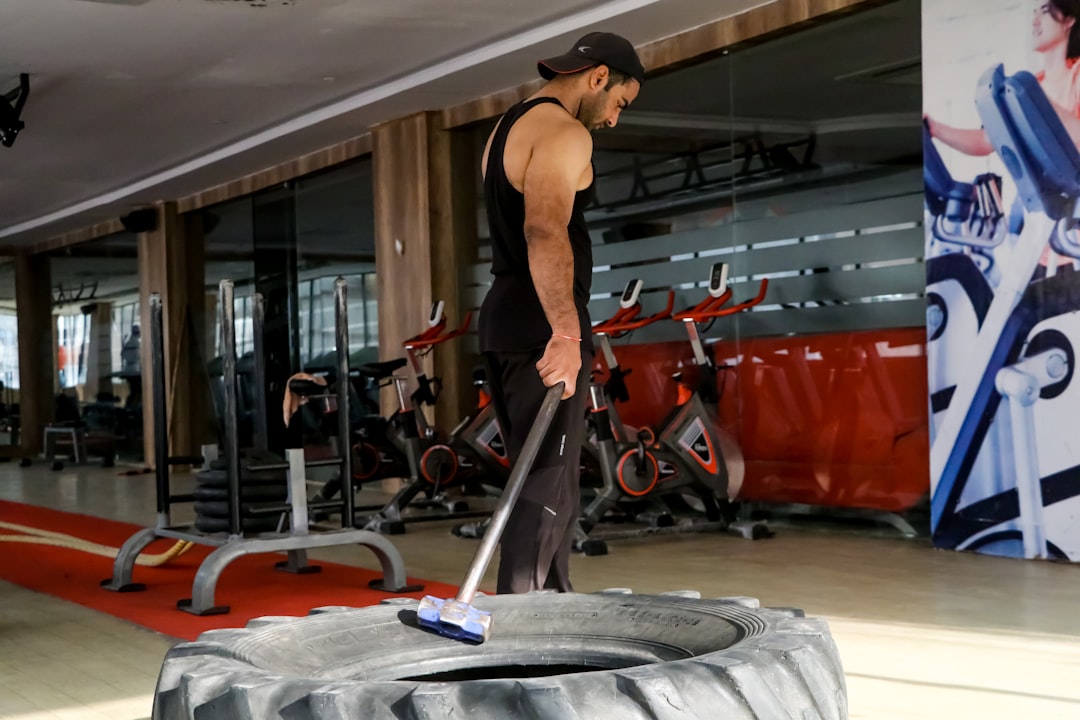
This guide examines six major recovery modalities: sleep, nutrition timing, cold therapy, foam rolling, active recovery, and stretching. Each section includes specific study citations so you can evaluate the evidence yourself.
Sleep: The Non-Negotiable Foundation of Recovery
No recovery strategy can compensate for inadequate sleep. During sleep, your body releases the majority of its daily growth hormone (GH), a peptide critical for muscle protein synthesis, tissue repair, and fat metabolism. A study published in the Journal of Clinical Endocrinology and Metabolism (PMID: 10984251) demonstrated that 70 to 80 percent of daily GH secretion occurs during slow-wave sleep (stages 3 and 4 of the sleep cycle).
Sleep deprivation creates a cascade of negative effects on athletic performance. Research from Stanford University’s Sleep Disorders Clinic showed that when basketball players extended their sleep to 10 hours nightly over 5 to 7 weeks, sprint times improved by 4%, free throw accuracy rose by 9%, and self-reported physical and mental well-being increased significantly.
Conversely, restricting sleep to 6 hours or less impairs reaction time, reduces testosterone levels (PMID: 21632481), increases cortisol production, and diminishes glycogen resynthesis rates. A 2023 meta-analysis (PMID: 36566373) found that athletes sleeping fewer than 7 hours per night had a 1.7 times greater risk of musculoskeletal injury compared to those sleeping 8 or more hours.
Optimizing Sleep Quality for Athletes
Sleep quality matters as much as duration. Practical strategies supported by sleep research include maintaining a consistent bedtime within a 30-minute window, keeping the bedroom temperature between 65 and 68 degrees Fahrenheit (18 to 20 degrees Celsius), eliminating screen exposure 60 minutes before sleep, and avoiding caffeine after 2:00 PM. Athletes training in the evening should allow at least 3 hours between high-intensity exercise and bedtime to prevent exercise-induced sympathetic nervous system activation from disrupting sleep onset.
Nutrition Timing and Recovery
Post-exercise nutrition serves two primary purposes: replenishing glycogen stores and providing amino acids for muscle protein synthesis (MPS). The timing, composition, and quantity of post-workout nutrition all influence recovery quality.
The Post-Workout Window
The concept of an « anabolic window » has been significantly revised by recent research. While earlier studies suggested a narrow 30-minute post-exercise window was critical, a comprehensive review by Schoenfeld and Aragon (PMID: 23360586) concluded that the window is likely 4 to 6 hours wide, and total daily protein intake matters more than precise timing.
That said, consuming 20 to 40 grams of high-quality protein within 2 hours of training does maximize the muscle protein synthesis response. Leucine content is particularly important; a threshold of approximately 2.5 grams of leucine per meal appears necessary to maximally stimulate mTOR signaling, the molecular pathway that initiates protein synthesis (PMID: 24477298).
Carbohydrate Replenishment
Glycogen resynthesis occurs most rapidly in the first 2 hours post-exercise when glycogen synthase enzyme activity is highest. Consuming 1.0 to 1.2 grams of carbohydrate per kilogram of body weight immediately after exercise, followed by similar amounts every 2 hours for 6 hours, maximizes glycogen restoration (PMID: 14971434). For athletes training twice daily, aggressive carbohydrate replenishment between sessions is essential.
Recovery Methods: Evidence Rating Overview
The following table rates common recovery methods based on the strength and consistency of available scientific evidence. The evidence rating reflects the overall quality of research, not merely whether one supportive study exists.
| Recovery Method | Evidence Rating | Key Finding | Primary Citation (PMID) | Best Use Case |
|---|---|---|---|---|
| Sleep (7-9 hours) | Strong | 70-80% of GH released during sleep; 1.7x injury risk when under 7h | 10984251, 36566373 | Every athlete, daily |
| Post-exercise protein (20-40 g) | Strong | Maximizes MPS via mTOR; 2.5 g leucine threshold | 24477298 | Within 2 hours post-training |
| Active recovery | Moderate | Improves lactate clearance; reduces perceived soreness 20-40% | 29135408 | Day after intense training |
| Cold water immersion | Mixed | Reduces soreness 15-20% but may blunt long-term hypertrophy | 22895749, 25461682 | In-season athletes, acute pain |
| Foam rolling | Moderate | ~6% soreness reduction; temporary ROM improvement | 31290621 | Pre-training mobility, post-training |
| Compression garments | Weak-Moderate | Small reduction in CK markers; minimal functional benefit | 28434136 | Travel recovery, psychological |
| Static stretching (post) | Weak | Does not reduce DOMS; no tissue repair acceleration | 22316148 | Flexibility goals only |
| Cryotherapy chambers | Weak | No clear advantage over cold water immersion; very expensive | 28707061 | Not recommended as primary method |
Cold Therapy: Benefits, Risks, and When to Use It
Cold water immersion (CWI) is one of the most debated recovery modalities in sports science. A Cochrane systematic review (PMID: 22895749) analyzing 17 trials found that CWI at 10 to 15 degrees Celsius for 10 to 15 minutes reduced delayed-onset muscle soreness (DOMS) by 15 to 20 percent compared to passive recovery.
However, a pivotal study by Roberts et al. (PMID: 25461682) published in the Journal of Physiology challenged the routine use of ice baths. The researchers found that regular cold water immersion after resistance training attenuated long-term gains in muscle mass and strength by suppressing the activity of satellite cells and reducing phosphorylation of the p70S6K signaling pathway, which is integral to muscle protein synthesis.
The practical takeaway: cold therapy is appropriate for in-season athletes managing accumulated fatigue, during tournament play where multiple competitions occur within days, or when reducing acute pain is the priority over long-term adaptation. It should be avoided during training phases focused on building muscle or strength, where the inflammatory response is a necessary part of the adaptation process.
Foam Rolling: What the Research Actually Shows
Self-myofascial release through foam rolling has become ubiquitous in gyms worldwide, but the scientific support is more nuanced than marketing suggests. A meta-analysis by Wiewelhove et al. (PMID: 31290621) found that foam rolling reduced perceived muscle soreness by approximately 6 percent, a statistically significant but practically modest effect.
Foam rolling does provide meaningful short-term improvements in range of motion. A systematic review (summarized by Examine.com) found that 60 to 120 seconds of foam rolling per muscle group increased acute flexibility by 4 to 7 percent without the performance decrements associated with static stretching.
The mechanism appears to be primarily neurological rather than mechanical. Foam rolling does not physically break up fascial adhesions or scar tissue (the pressures involved are far too low). Instead, it likely activates mechanoreceptors that modulate pain perception and reduce resting muscle tone through autogenic inhibition.
Active Recovery: Moving to Recover Faster
Active recovery involves performing low-intensity exercise (30 to 50 percent of maximum heart rate) on rest days or between high-intensity sessions. Walking, cycling at conversational pace, swimming, and yoga are common active recovery modalities.
A systematic review (PMID: 29135408) found that active recovery improved lactate clearance rates and reduced perceived soreness by 20 to 40 percent compared to complete rest. The proposed mechanisms include increased blood flow to damaged tissues (delivering nutrients and removing metabolic waste), maintenance of range of motion, and psychological benefits of movement on mood and motivation.
The optimal duration for active recovery sessions is 20 to 40 minutes. Going longer or harder defeats the purpose; active recovery should feel effortless and should not create any additional training stress.
The Stretching Myth: Separating Fact from Fiction
Static stretching before exercise has been a staple recommendation for decades, but the evidence does not support its use for injury prevention or recovery enhancement. A large systematic review and meta-analysis (PMID: 22316148) pooling data from over 26,000 participants found that pre-exercise static stretching reduced overall injury risk by less than 5 percent, a result that was not statistically significant.
Furthermore, static stretching before resistance training has been shown to reduce force production by 5 to 8 percent and power output by 2 to 3 percent (PMID: 22692125). Dynamic warm-up movements (leg swings, arm circles, walking lunges, high knees) are superior for pre-exercise preparation as they increase core temperature, enhance neural activation, and improve movement patterns without compromising force output.
Post-exercise stretching may provide a small subjective improvement in soreness perception, but it does not accelerate tissue repair or reduce the duration of DOMS. If improving flexibility is a specific goal, dedicated stretching sessions separate from training (or yoga practice) are more effective than brief post-workout stretching routines.
Putting It All Together: A Recovery Protocol
Based on the evidence reviewed above, the following hierarchy represents the order of importance for muscle recovery science applied in practice:
Priority 1 (Non-negotiable): Sleep 7 to 9 hours nightly in a cool, dark room. Consume 20 to 40 grams of protein within 2 hours of training. Maintain adequate daily calorie and carbohydrate intake.
Priority 2 (Highly recommended): Include 1 to 2 active recovery sessions per week. Stay hydrated (body weight in pounds divided by 2 equals ounces of water per day as a baseline). Space intense training sessions for the same muscle group at least 48 hours apart.
Priority 3 (Beneficial, not essential): Use foam rolling pre-workout for mobility and post-workout for soreness management. Consider cold water immersion only during competition periods. Supplement with creatine monohydrate and omega-3 fatty acids to support recovery processes.
Your training intensity directly determines your recovery demands. For those incorporating high-intensity sessions, our complete HIIT training guide addresses how to structure intensity to prevent overtraining. Proper nutrition is equally critical; our meal prep blueprint for athletes provides detailed macro targets and meal plans designed to support recovery.
Hydration Strategy for Training Days
Nutrition planning without hydration is incomplete. Athletes lose between 0.5 and 2 liters of sweat per hour during intense exercise, and even a 2 percent drop in body weight from dehydration can reduce performance by up to 25 percent. The simplest guideline: drink half your body weight in ounces daily as a baseline, then add 16 to 24 ounces for every hour of training.
Electrolyte balance matters as much as volume. Sodium, potassium, and magnesium are lost through sweat and must be replaced. For sessions under 60 minutes, water is sufficient. For longer or more intense workouts, an electrolyte drink or a pinch of salt in water helps maintain fluid balance and prevents cramping.
Pre-workout hydration should begin 2 to 3 hours before training with 16 to 20 ounces of water. During exercise, aim for 7 to 10 ounces every 10 to 20 minutes. Post-workout, weigh yourself before and after training and drink 24 ounces for every pound lost. This systematic approach ensures you never train dehydrated.
Supplement Timing: What the Evidence Supports
Most supplements marketed to athletes are unnecessary if your meal prep covers your macronutrient and micronutrient needs. However, three supplements have robust evidence behind them:
- Creatine monohydrate (3 to 5 grams daily) improves power output and recovery between sets. Timing does not matter significantly, so adding it to any meal is fine. Decades of research confirm its safety and efficacy.
- Caffeine (3 to 6 mg per kilogram of body weight) consumed 30 to 60 minutes before training enhances endurance, focus, and power. Coffee is a perfectly effective delivery mechanism.
- Vitamin D (1000 to 2000 IU daily) is relevant for athletes who train indoors or live in northern climates. Deficiency is linked to increased injury risk and impaired recovery.
Everything else, including BCAAs, glutamine, and most pre-workout blends, has either weak evidence or is redundant if you eat adequate protein from whole foods. Save your money for higher-quality ingredients in your meal prep instead.
Common Meal Prep Mistakes Athletes Make
Even experienced athletes fall into predictable traps when meal prepping. The most common is cooking the same three meals every week until boredom drives them toward fast food. Build variety into your plan by rotating protein sources weekly and changing your seasoning profiles: Mediterranean one week, Asian the next, Mexican after that. Same macros, completely different eating experience.
Another frequent mistake is neglecting vegetable volume. Athletes fixate on protein and carbohydrates but undereat vegetables, missing critical micronutrients and fiber that support gut health, immune function, and recovery. Aim for at least two cups of vegetables with every main meal. Roasted sheet pan vegetables are the easiest way to hit this target during prep sessions.
Finally, many athletes fail to account for training schedule changes. A rest day does not require the same caloric load as a double session day. Prepare flexible components: a base of rice and protein that can be portioned up or down, with add-ons like avocado, nuts, or extra carbs reserved for high-output days.
Frequently Asked Questions
How long does muscle recovery take after intense exercise?
Full muscle recovery typically takes 48 to 72 hours after intense resistance training, though this varies based on training volume, intensity, muscle group size, and individual factors. Larger muscle groups like quadriceps and back may require up to 96 hours, while smaller muscles like biceps and calves recover in 24 to 48 hours. Research (PMID: 12617692) shows that muscle protein synthesis remains elevated for 24 to 48 hours post-exercise.
Do ice baths actually help with muscle recovery?
The evidence on ice baths is mixed. Cold water immersion (10-15 degrees Celsius for 10-15 minutes) can reduce perceived muscle soreness by 15-20% according to a Cochrane review (PMID: 22895749). However, a landmark study (PMID: 25461682) found that regular cold water immersion after resistance training actually blunted long-term muscle and strength gains by reducing the inflammatory response necessary for adaptation.
Is stretching before exercise necessary for recovery?
Static stretching before exercise does not prevent injury or improve recovery, according to multiple systematic reviews. A large meta-analysis (PMID: 22316148) found that pre-exercise stretching reduced injury risk by less than 5%, which was not statistically significant. Dynamic warm-ups are more effective for injury prevention. Post-exercise stretching may modestly reduce perceived soreness but does not accelerate tissue repair.
How much sleep do athletes need for optimal recovery?
Most sports science research recommends 7 to 9 hours of sleep for the general population, with elite athletes benefiting from 9 to 10 hours. A Stanford study on basketball players found that extending sleep to 10 hours improved sprint times by 4% and free throw accuracy by 9%. Growth hormone, which is critical for muscle repair, is released primarily during deep sleep stages.
Does foam rolling speed up muscle recovery?
Foam rolling (self-myofascial release) can reduce perceived muscle soreness by approximately 6% according to a meta-analysis (PMID: 31290621). It also temporarily improves range of motion without the performance decrements associated with static stretching. However, foam rolling does not accelerate actual tissue repair; its benefits are primarily neurological, reducing pain perception and improving movement quality.
