
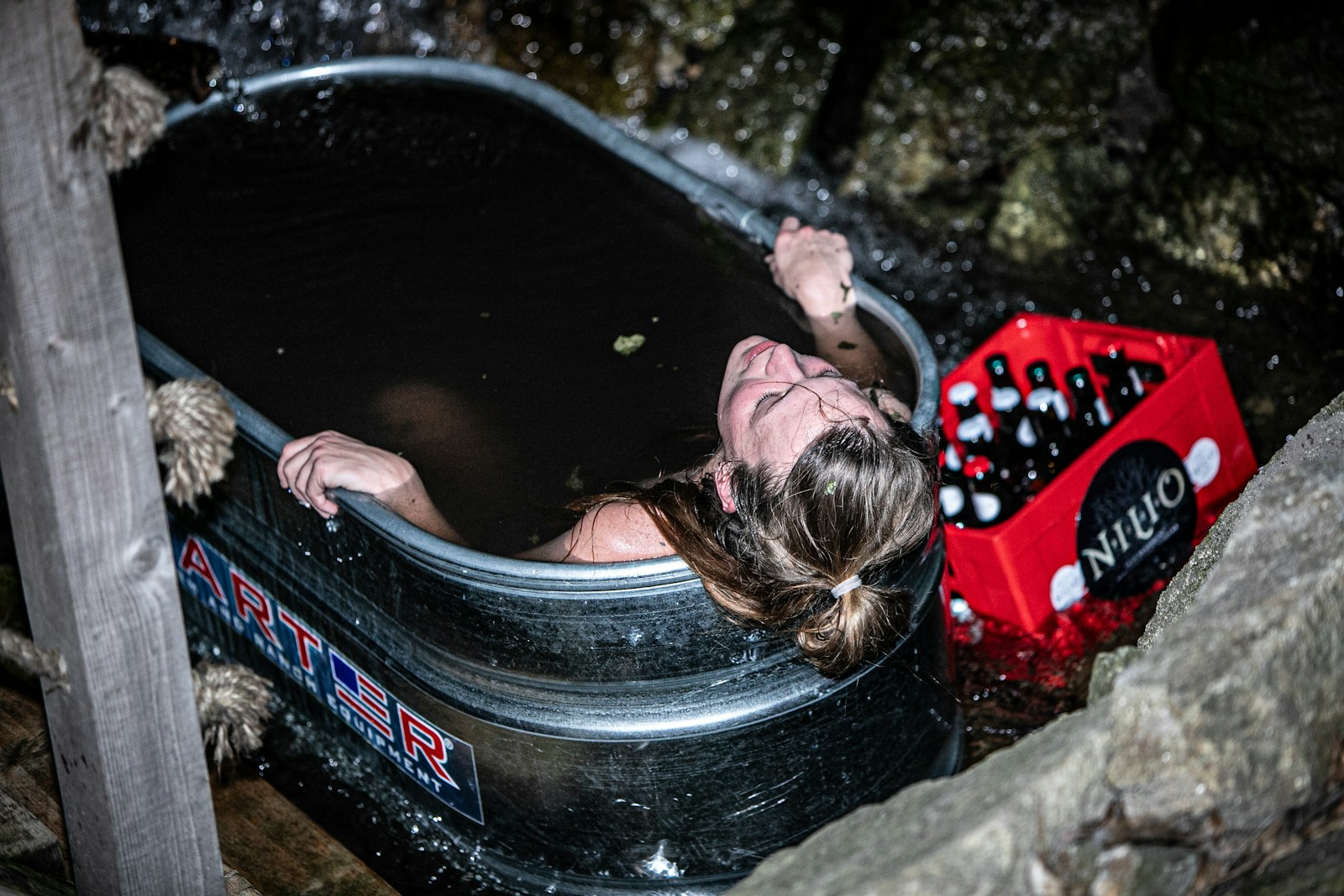
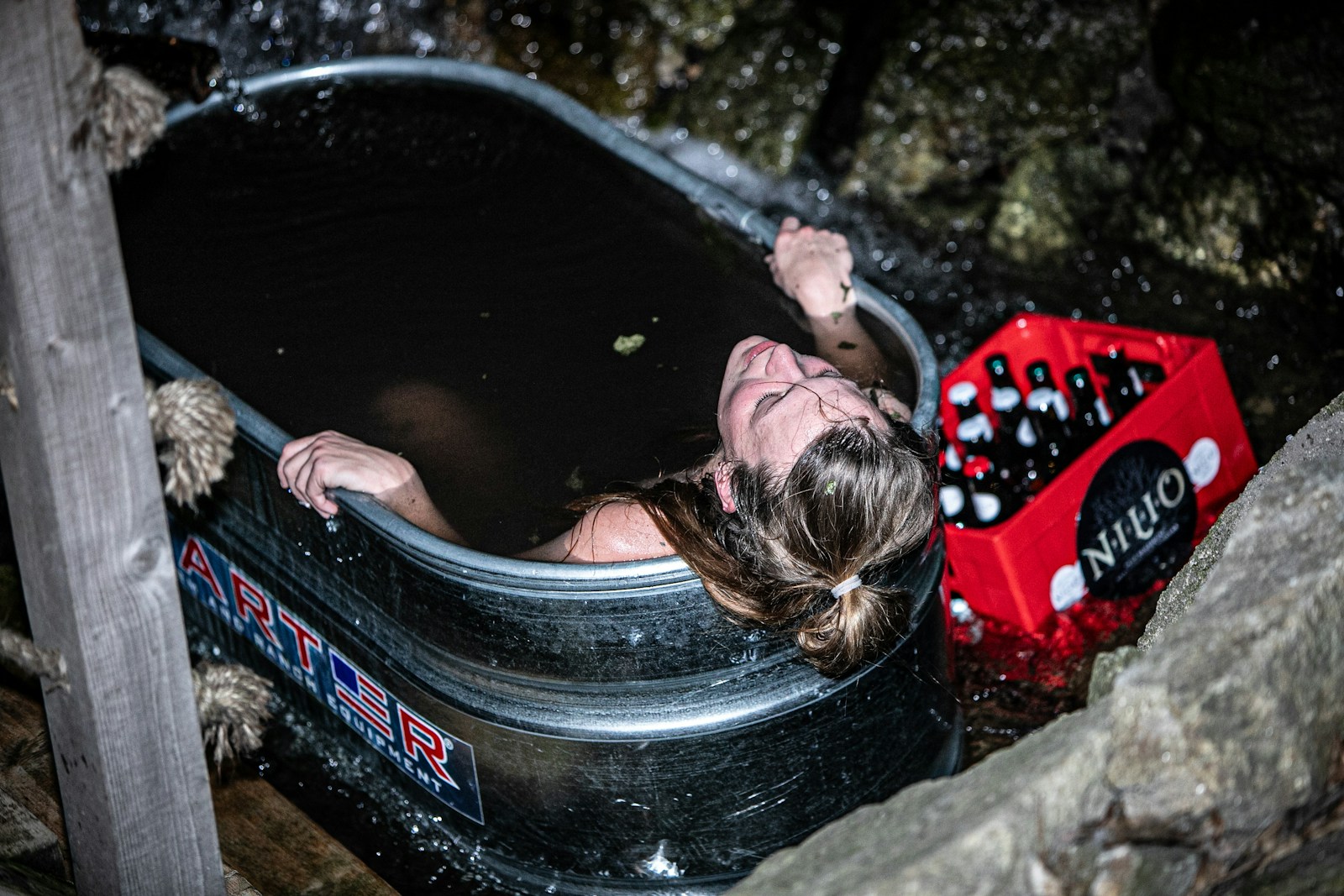
A middle-aged triathlete in my neighbourhood built a backyard recovery suite in 2024 that would not look out of place at a European Tour training camp. Cold plunge at 8 °C, barrel sauna at 85 °C, pneumatic compression boots, percussion massager, red-light therapy panel, salt room. Total spend, including the shed housing it, about 22,000 euros. I asked him, over coffee, how much faster he was. He laughed and said he had not changed his running pace in three years, but he slept much better and felt like an athlete again. Both statements, I think, are true.
This article tries to rank recovery modalities honestly against the 2025 evidence base. I will not claim any of them does nothing. Almost all have some mechanism of effect. The relevant questions are how large the effect is, under which specific conditions, and whether the cost-benefit compares favourably to the simple recovery interventions — sleep, nutrition, training management — that produce larger effects for no money at all.
How to read the evidence
Three distinctions matter before comparing modalities:
Acute versus chronic adaptation. A modality can reduce soreness or perceived recovery in the 24 hours after a session (acute benefit) while impairing the long-term adaptation response to training (chronic cost). Cold-water immersion is the clearest example of this conflict.
Strength/hypertrophy versus endurance. The training stimulus and the recovery physiology differ. A recovery modality that benefits endurance athletes may harm strength trainees, and vice versa.
Trained versus untrained populations. Most supportive evidence for recovery modalities comes from untrained or moderately trained participants. The effect size in elite athletes is typically smaller, sometimes close to zero, because their adaptive machinery is already operating near ceiling.
Evidence ranking: the current picture
Working from the 2025 literature, the practical evidence ranking for athletic recovery looks roughly like this:
| Modality | Acute DOMS effect | Chronic adaptation effect | Cost for home use | Overall evidence quality |
|---|---|---|---|---|
| Sleep optimisation | Large positive | Large positive | Low (0-300 EUR) | Very strong |
| Massage (hands or gun) | Moderate positive | Neutral | Low-moderate (200-600 EUR) | Strong |
| Compression garments | Small to moderate positive | Neutral | Low (60-120 EUR) | Moderate |
| Pneumatic compression boots | Moderate positive | Neutral | High (800-1500 EUR) | Moderate |
| Cold-water immersion (endurance) | Moderate positive | Neutral to small negative | Moderate (300-3000 EUR) | Moderate |
| Cold-water immersion (hypertrophy) | Moderate positive | Small to moderate negative | Moderate | Strong negative |
| Sauna (regular use) | Small positive | Moderate positive (heat acclimation) | High (3000-8000 EUR) | Moderate |
| Red-light therapy | Small positive (if any) | Neutral | Moderate (300-1500 EUR) | Weak |
Cold-water immersion: the hypertrophy warning
The most consequential finding of the last two years comes from a 2024 systematic review and meta-analysis by Piñero and colleagues in the European Journal of Sport Science. The review found that post-exercise cold-water immersion combined with resistance training produced hypertrophic adaptations that were small to negligible in magnitude compared to resistance training alone. The mechanism, documented in multiple controlled studies, involves suppression of satellite cell activity and attenuation of ribosome biogenesis pathways for up to five hours after cold exposure.
In plain terms: if you are doing resistance training with the goal of increasing muscle size, cold plunge within a few hours after your session is counterproductive. The acute DOMS reduction is real but it comes at the cost of the adaptation you are training to produce.
There are three legitimate contexts for cold plunge around training:
- Same-day tournaments or competitions. When recovery within hours is more important than long-term adaptation, cold-water immersion is one of the few interventions with evidence of faster performance restoration.
- Endurance blocks with high training load. The hypertrophy-suppression concern does not apply equally to endurance athletes, whose training target is mitochondrial and cardiovascular rather than muscle fibre size.
- Non-training days or more than 6 hours post-session. The adaptation-suppression effect appears to dissipate within roughly 6 to 8 hours, so an evening cold plunge after a morning training session has a smaller effect on overnight adaptation.
A 2025 randomised controlled trial in women, meanwhile, found that neither cold nor hot water immersion accelerated recovery from muscle-damaging exercise compared to control. The authors noted the study was powered only for moderate effects, but the null result should temper enthusiastic claims about cold plunge as a general recovery tool.
Sauna: better for adaptation than for recovery
The strongest argument for sauna use is not acute recovery after training. It is the body of epidemiological work from Finland — particularly the Kuopio Ischemic Heart Disease study — associating regular sauna use (4 to 7 sessions per week, 20+ minutes each) with reduced cardiovascular mortality and improvements in heat tolerance that transfer to endurance performance.
A 2025 UCSF clinical trial published findings on whole-body heating combined with cognitive behavioural therapy producing clinically meaningful reductions in depressive symptoms in over 85 percent of participants. This is tangential to athletic recovery per se, but it reinforces the case that heat exposure is doing something biologically meaningful beyond pleasant fatigue-masking.
For athletes, the heat acclimation effect is the most practically relevant: 10 to 14 days of post-session sauna at 85 to 95 °C for 15 to 25 minutes reliably expands plasma volume by 3 to 6 percent and improves performance in hot conditions. Plasma volume expansion also has measurable benefits in cool-weather endurance performance by increasing stroke volume.
The case against home sauna is essentially cost. A proper barrel or cabin sauna runs 3,000 to 8,000 euros plus installation and electrical upgrades. A gym or spa membership with sauna access usually delivers the same physiological benefit for a fraction of the lifetime cost.
Massage: consistent small wins
Massage is one of the few modalities with reasonably consistent evidence across studies for acute DOMS reduction. A 2023 meta-analysis in the Journal of Athletic Training found moderate effect sizes for massage administered within 2 hours of training, with effects lasting roughly 24 to 48 hours. The mechanism is probably a combination of parasympathetic activation, transient reduction in muscle stiffness, and placebo-assisted perceived recovery.
Percussion massagers (Theragun, Hyperice, Bob and Brad) produce similar acute effects to manual massage for soft-tissue release at much lower cost. A 150-euro percussion device used for 10 minutes per major muscle group delivers the bulk of the DOMS-reduction benefit. Professional massage is better for targeted work and chronic tightness but does not scale to daily use on a recreational athlete’s budget.
Compression: modest but reliable
Compression garments worn overnight, and pneumatic compression boots used for 20 to 45 minutes post-session, produce small to moderate reductions in perceived muscle soreness and small improvements in subsequent performance. The effect sizes are consistent across studies but not dramatic.
The cost-benefit calculation is straightforward. A pair of compression tights at 80 euros delivers roughly 70 percent of the benefit of 1,500-euro pneumatic boots. The boots’ main advantage is convenience and the option of higher pressure protocols, which some endurance athletes find useful during taper weeks before competition.
Sleep: the unglamorous leader
Every honest ranking of recovery interventions starts with sleep, which is inconvenient for writers and marketers because sleep is hard to package as a product. The effect size is nonetheless enormous. Mah and colleagues at Stanford documented a 5 percent improvement in sprint speed, a 9 percent improvement in free-throw accuracy, and a 42 percent reduction in injury risk in student athletes who extended sleep to 10 hours per night for six weeks. No other recovery intervention produces effects of comparable magnitude.
The practical implementation is tedious and well-known: cool bedroom (17 to 19 °C), blackout curtains, consistent bedtime, no screens within 60 minutes of sleep, no alcohol within 3 hours of sleep, no caffeine within 8 hours of sleep. The rules are boring. They are also, by any rigorous reading of the evidence, more important than any of the technology modalities below.
An athlete who reliably gets 7 to 9 hours of high-quality sleep per night will outperform the same athlete getting 5 to 6 hours and trying to compensate with cold plunges and compression boots. This is not close. It is the single largest effect in the recovery literature.
Red light therapy: the honest skeptical reading
Photobiomodulation — red light and near-infrared wavelengths applied to skin — has become a popular recovery modality and a genuinely ambiguous one to evaluate. The proposed mechanism involves stimulation of mitochondrial cytochrome c oxidase, leading to enhanced ATP production and reduced oxidative stress in exposed tissue. Bench-top evidence for this mechanism exists.
The translation to human athletic recovery is murkier. A 2023 meta-analysis in the International Journal of Sports Medicine found small positive effects on DOMS and perceived recovery after resistance exercise, with high heterogeneity across studies. A 2024 systematic review noted that many of the positive studies had methodological weaknesses — small sample sizes, self-reported outcomes, inadequate blinding — and that better-controlled studies produced smaller effects.
My honest reading: red light therapy is probably doing something, but the effect size is small and the evidence base is weaker than proponents suggest. Dedicated panels at 300 to 1,500 euros are difficult to justify for recreational athletes. If you already have one, use it without expecting transformation; if you are considering buying one, almost anything else on this list offers better evidence per euro.
Active recovery: walking, swimming, and easy cycling
Low-intensity movement on the day after a hard session accelerates clearance of metabolic byproducts and maintains blood flow to recovering tissue without adding mechanical stress. The evidence for active recovery, while less dramatic than the marketing claims for ice baths or sauna, is consistent across decades of research.
The dosage that works is modest: 20 to 40 minutes at truly easy intensity (heart rate under 120 bpm for most adults), ideally in a different modality than the previous day’s hard session. A swim after a hard run. An easy bike ride after heavy lifting. A walk after an interval session. The point is not to train; it is to move blood through the tissue that is recovering.
This costs nothing. It requires only time and the discipline to keep the intensity genuinely low. Many recreational athletes sabotage their active recovery by letting it drift into moderate intensity, at which point it becomes additional training load rather than recovery.
What the elite world actually does
Observation of professional cycling, endurance running, and Olympic-level team sports suggests a surprisingly stable recovery stack:
- Sleep hygiene: 9 to 10 hours per night, supported by cool room temperatures and no screens.
- Nutrition timing: protein and carbohydrate within 2 hours post-session.
- Compression garments overnight after long or hard sessions.
- Massage 1 to 3 times per week depending on training load.
- Cold-water immersion sparingly, almost never during hypertrophy-focused blocks.
- Sauna during heat acclimation phases or deload weeks.
What is notable is what the elite world does not typically emphasise: red-light panels, ice baths as a daily habit, exotic supplements, cryotherapy chambers. The marginal gains strategy, as practised by professional cycling teams in the 2010s, was ruthless about ranking interventions by effect size and cost, and most of the home-recovery technology that consumer marketing pushes does not survive that ranking.
The cold plunge nuance: context matters enormously
The public conversation about cold-water immersion has swung from uncritical enthusiasm (Wim Hof, various podcasts, 2019–2022) to more measured skepticism (Roberts et al. 2015 rediscovered, Piñero 2024). The honest summary, threading between these positions:
Cold plunge reliably produces:
- Acute reduction in muscle swelling and perceived soreness.
- Catecholamine surge (norepinephrine rose 127 to 144 percent in a 2025 crossover study at 8 to 12 °C) with associated mood effects.
- Acute energy expenditure increase via brown adipose tissue activation and shivering thermogenesis.
- Perceived readiness to perform on subsequent same-day or next-day efforts.
Cold plunge probably produces, with less certainty:
- Reduced symptoms of mild depression and anxiety with regular use.
- Improved glucose tolerance in sedentary populations.
- Small improvements in sleep quality the night following exposure.
Cold plunge does not reliably produce:
- Improved long-term muscle hypertrophy — in fact, the opposite when used post-resistance-training.
- Accelerated injury healing beyond the first 24 hours.
- Improved chronic immunity.
- Metabolic rate increases of the magnitude some proponents claim.
For the recreational athlete who enjoys cold exposure and uses it occasionally after endurance sessions or on rest days, the risk of adverse effect on training adaptation is low and the subjective benefits are real. For the bodybuilder using cold plunges post-lift as a general recovery habit, the 2024 meta-analysis evidence is unambiguous: stop.
Massage guns versus professional massage
A practical comparison that the evidence does support: percussion massage devices and manual professional massage produce broadly similar outcomes on measurable variables (DOMS reduction, perceived recovery, range of motion) for most recreational purposes. Where they differ:
Percussion massagers excel at self-administered soft tissue work on accessible muscle groups (quads, calves, glutes, pecs, biceps). They are cheaper per session after the initial device cost, available on demand, and require no scheduling. They are poor at back work, neck work, and anything requiring sustained pressure held for 30+ seconds.
Professional massage excels at targeted therapeutic work on specific injury-related tightness, full-body sessions that address compensatory tension patterns, and the psychological benefit of being treated rather than treating oneself. It is expensive, variable in quality, and requires time commitment for travel and booking.
For most recreational athletes, a 200-euro percussion device plus professional massage once per month or once per training block is the rational combination. The device handles daily-use micro-work; the professional session addresses the things the device cannot.
The realistic budget priority order
For a recreational athlete thinking about where to spend the next 1,000 euros on recovery:
- Sleep setup. Blackout curtains, cool bedroom (17 to 19 °C), no phone in the room. 200 to 400 euros delivers the largest single adaptation to recovery capacity you can buy.
- Quality nutrition planning. Time and attention, not money.
- Compression garments (tights and top). 120 to 200 euros for reliable small gains.
- Percussion massager. 150 to 300 euros.
- Gym membership with sauna access. 40 to 80 euros per month.
- Weekly massage during heavy training phases. Variable cost.
Everything beyond this is diminishing returns. Cold plunge tubs, red-light panels, home saunas, and pneumatic compression boots are not categorically useless, but their incremental benefit over the list above is small, and the money is usually better spent on coaching, quality training facilities, or simply more sleep.
For more context on where recovery fits into the training picture, our features on Zone 2 training for runners and protein timing myths debunked cover the stimulus and nutrition sides of the equation.
Frequently asked questions
Does cold plunge actually impair muscle growth?
A 2024 systematic review in the European Journal of Sport Science found cold water immersion after resistance training attenuates hypertrophy adaptations. The effect is specific to hypertrophy, not strength. For strength and endurance athletes, cold plunge remains reasonable; for bodybuilders in a hypertrophy block, it is counterproductive.
Is sauna better before or after training?
The strongest evidence base is for regular sauna use independent of training timing. Post-session sauna at 80 to 90 degrees Celsius for 15 to 20 minutes appears safe and may enhance heat acclimation adaptations. Pre-session sauna is not supported by performance data and may impair acute training quality.
Are compression boots worth the money?
For acute DOMS reduction after long endurance sessions, compression has reasonable evidence. The effect size is modest and broadly equivalent to wearing compression garments overnight. At 800 to 1500 euros for pneumatic boots, the cost-benefit is hard to justify for recreational athletes.
What temperature should cold plunge be?
Most protocols use 10 to 15 degrees Celsius for 3 to 10 minutes. Colder than 8 degrees shortens the tolerable duration substantially without clear additional physiological benefit. The 2025 PLOS ONE systematic review found physiological responses across the 7 to 15 degree range broadly similar.
External references
- PubMed Central: Throwing cold water on muscle growth: a systematic review with meta-analysis of postexercise cold water immersion effects on hypertrophy, 2024.
- PLOS ONE: Systematic review of cold-water immersion, January 2025.
- Outside magazine: feature reporting on recovery science.
Tags: recovery, cold plunge, sauna, compression therapy, sports science
Focus keyword: recovery modalities compared · Rank Math title: Recovery Modalities Compared: Cold Plunge, Sauna, Compression, Massage Ranked · Meta: A 2025 evidence-ranked comparison of cold plunge, sauna, compression boots, and massage for athletic recovery: what the research supports, the hypertrophy warning, and cost per effect size.
