
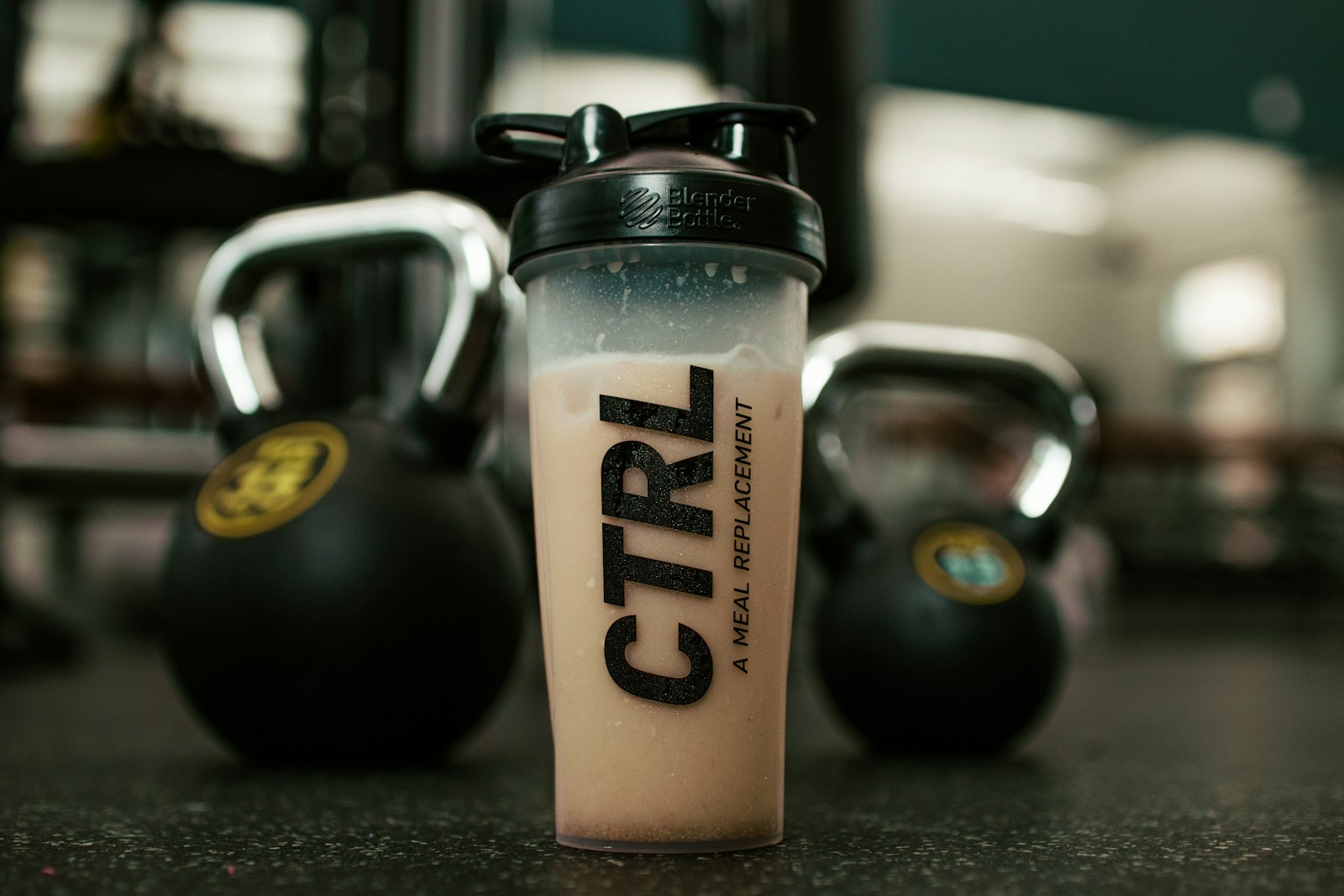
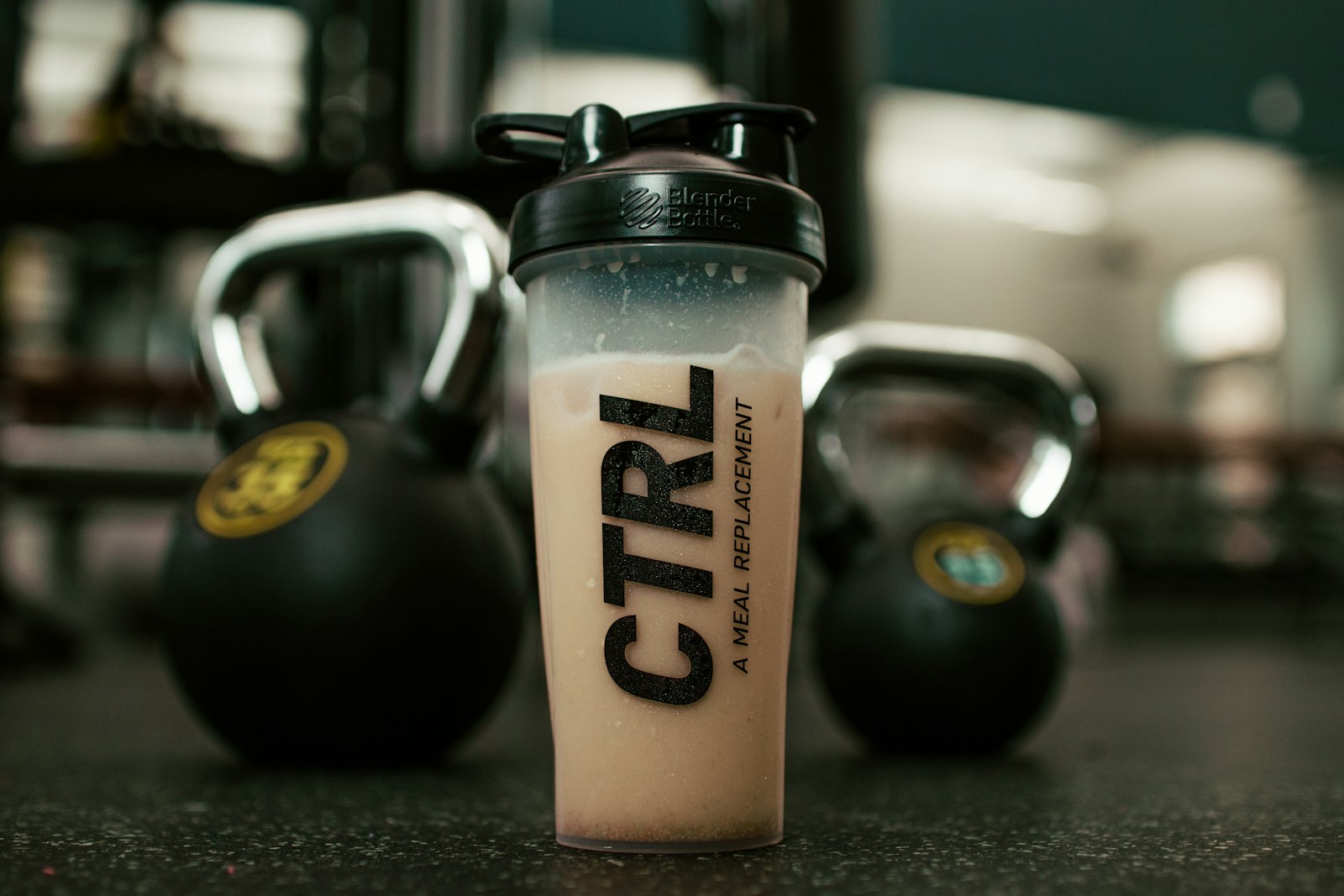
The idea that muscle growth hinges on what you swallow in the thirty minutes after a workout is one of the most commercially successful claims in sports nutrition history. It sold a generation of protein shakes, pre-mixed recovery drinks, and supplement stack bundles. It is also, as the current evidence base makes reasonably clear, mostly wrong — but with important exceptions that have been lost in the cultural swing from « timing is everything » to « timing does not matter. »
A systematic review and meta-analysis published in the journal Nutrients in 2025 (Corpas-López et al., Nutrients 17:2070) reopened the debate by examining six reports from five studies that directly compared pre- versus post-training protein intake. The results were genuinely mixed: no effect on chest-press strength, but a measurable advantage for pre-training protein on leg-press strength. Taken alongside the larger body of research from Schoenfeld and Aragon, it suggests a picture considerably more nuanced than either the original 30-minute window claim or the blanket dismissal of timing that followed it.
This article walks through what the evidence currently supports, where it is ambiguous, and which practical recommendations survive the honest reading of the literature.
The original anabolic window claim
The 1990s version of the story was that post-exercise muscle tissue exhibits a brief period of elevated insulin sensitivity and amino acid uptake, and that consuming protein within 30 to 45 minutes after training multiplies the muscle-building response. The biological basis was real: post-exercise muscle protein synthesis (MPS) is elevated, and insulin-sensitive glucose uptake via GLUT4 translocation is enhanced for roughly an hour after resistance exercise.
The leap from these observations to « protein must be consumed in that window or gains are lost » was, in retrospect, a commercial rather than scientific argument. The meta-analyses that followed through the 2010s — particularly Schoenfeld, Aragon and Krieger’s 2013 review in the Journal of the International Society of Sports Nutrition — found that when total daily protein intake was matched, post-workout timing effects largely disappeared.
What the 2025 Nutrients meta-analysis added
The Corpas-López review searched databases through 15 January 2024 and identified six reports from five studies meeting quality criteria. Key findings:
- For chest-press maximum strength, no significant effect of protein timing (pre- versus post-training) was observed.
- For leg-press maximum strength, consuming protein before training produced greater strength gains than after training.
- Whole-body lean mass outcomes did not differ between timing conditions when total daily protein was controlled.
The review authors emphasise a limitation that runs through the entire literature: most studies tested only two timing windows — immediately before training versus immediately after — rather than a graded comparison across, say, two hours before, immediately after, and four hours post. The meaningful question is not whether pre- or post-matters; it is how wide the window actually is.
The current consensus position
Reading across the best recent reviews — Schoenfeld 2018 in the Journal of Orthopaedic and Sports Physical Therapy, the 2024 Frontiers in Nutrition review by Ribeiro et al., and the 2025 Nutrients meta-analysis — the following points are supported by reasonably strong evidence:
Total daily protein intake is the primary determinant of muscle adaptation. Across virtually every study that controlled for this variable, daily total predicted hypertrophy and strength outcomes more powerfully than timing. For resistance-trained adults seeking hypertrophy, the current recommendation is 1.6 to 2.2 grams per kilogram of body mass per day (Morton et al., British Journal of Sports Medicine, 2018).
Per-meal distribution matters more than post-workout timing. Schoenfeld and Aragon’s 2018 analysis suggested distributing daily protein across four or more meals of roughly 0.4 g/kg each, which for a 75 kg adult means four 30-gram servings. Intakes well above this threshold at a single meal do not proportionally increase the muscle protein synthesis response; the excess is oxidised or used for other purposes.
Leucine content per meal is the proximate trigger. Approximately 2.5 to 3 grams of leucine per serving appears to be the threshold for maximal MPS response. This is easily reached with 25 to 30 g of whey protein or 35 to 40 g of most plant proteins. Below this threshold, MPS response is blunted even if total protein is high.
The anabolic window is wider than originally claimed, but not infinite. Current evidence suggests a post-workout window of roughly 3 to 5 hours during which protein consumption produces enhanced MPS compared with consumption 8 or more hours later. Within that window, timing differences of 30 minutes versus 2 hours appear trivial.
When timing probably does matter
Three contexts where the evidence justifies more concern about protein timing:
Training in a fasted state. If your workout is performed 10 or more hours after your last protein-containing meal — a morning session with no breakfast, for example — muscle protein breakdown is already elevated when you begin training. In this case, post-workout protein arriving within the first 2 to 3 hours has a larger effect than the same meal 6 hours later.
Older adults. Anabolic resistance increases with age. Adults over 65 require approximately 0.4 g/kg per meal rather than 0.25 to 0.3 g/kg to trigger equivalent MPS responses. Timing of protein around training may be more consequential in this population because the baseline MPS response is less sensitive.
Endurance athletes with very high training loads. Protein intake in the hours immediately around long or intense sessions supports glycogen resynthesis and reduces the size of the negative nitrogen balance. Here, « timing » is less about a 30-minute window and more about ensuring a meal within 2 to 3 hours on either side of the session.
Practical protein distribution for different goals
For a 75 kg adult, here is what the current evidence supports:
Strength and hypertrophy
- Daily total: 120 to 165 g (1.6 to 2.2 g/kg).
- Per meal: 25 to 35 g, four to five meals per day.
- Leucine target: 2.5 to 3 g per meal.
- Timing relative to training: a meal containing 25 to 35 g of protein within 2 to 3 hours of the session. Whether that meal falls before or after matters less than ensuring it happens within the window.
Endurance training
- Daily total: 1.4 to 1.8 g/kg, with the upper end for athletes in heavy training blocks.
- Per meal: 20 to 30 g.
- Timing relative to training: meal within 2 hours post-session supports recovery; pre-session carbohydrate is typically a higher priority than pre-session protein for performance.
Weight loss with muscle preservation
- Daily total: 2.0 to 2.4 g/kg, because protein requirements rise proportionally as energy intake falls.
- Per meal: 30 to 40 g, four meals per day.
- Leucine threshold becomes more important; anabolic resistance appears in energy deficit even in young adults.
Protein quality: where the real differences hide
The per-meal dose advice assumes the protein is complete and well-absorbed. Reality is more complicated. Different protein sources differ meaningfully in amino acid profile, digestion speed, and bioavailability. The Digestible Indispensable Amino Acid Score (DIAAS), adopted by the FAO as the successor to the older PDCAAS, ranks common sources as follows for adults:
- Whey protein isolate: DIAAS 1.09. Fast-digesting, very high in leucine, complete essential amino acid profile.
- Milk (casein): DIAAS 1.18. Slow-digesting due to gastric coagulation, gradual amino acid release over 4 to 6 hours.
- Eggs: DIAAS 1.13. Moderate digestion speed, complete profile.
- Beef: DIAAS 1.12. Slower than whey, complete profile.
- Soy protein isolate: DIAAS 0.90. Complete but slightly lower than animal sources.
- Pea protein isolate: DIAAS 0.82. Lower in methionine; combines well with rice for completeness.
- Wheat gluten: DIAAS 0.45. Limiting in lysine; unsuitable as a primary protein source.
For omnivores, mixing dairy, eggs, and one of fish/poultry/meat automatically produces an amino acid profile at or above the threshold for maximal MPS. For vegans, combining legumes with grains or diversifying across soy, pea, hemp, and rice proteins achieves the same endpoint, but requires more attention to total quantity to compensate for lower DIAAS scores.
The casein-before-bed question
One protein timing claim has survived the scrutiny of the 2020s better than most: the pre-sleep casein meal. Research from Snijders and colleagues at Maastricht University, continuing through a 2024 follow-up in the Journal of Applied Physiology, has consistently found that 30 to 40 grams of casein consumed 30 minutes before bed raises overnight MPS by roughly 22 percent compared with non-protein control.
The mechanism is the slow gastric emptying of casein, which maintains elevated amino acid concentrations for 6 to 8 hours — exactly the sleep window during which, without a pre-bed meal, MPS tends to drop. This is one of the few timing interventions with both a plausible mechanism and consistent supportive data from multiple independent research groups.
The practical form can be casein powder in water, cottage cheese, Greek yoghurt, or quark. Plant alternatives (slow-digesting plant protein blends) are less well-studied but mechanistically plausible. For resistance-trained individuals specifically pursuing muscle gain, this intervention seems worth the small effort.
Common mistakes worth naming
Mega-doses at one meal. A 70-gram protein serving does not produce a proportionally larger MPS response than a 30-gram serving. The extra 40 grams is metabolised, not wasted exactly, but not contributing to muscle adaptation.
Ignoring the first meal of the day. Overnight, MPS drops and muscle breakdown rises. A breakfast containing 25 to 35 g of high-quality protein reverses this within about 90 minutes. Athletes who skip breakfast and do their first protein meal at noon are losing roughly six hours of daily anabolic potential, which over weeks and months matters.
Relying on plant protein without adjusting the dose. Most plant proteins are lower in leucine per gram than whey or casein. A 25-gram serving of whey delivers about 2.5 g of leucine; an equivalent soy or pea serving delivers closer to 1.9 to 2.1 g. This can be managed by increasing portion size, combining protein sources, or choosing leucine-enriched products. It cannot be ignored.
Assuming pre-workout protein is pointless. The 2025 Nutrients meta-analysis found a measurable advantage for pre-training protein on lower-body strength. The effect size is small, but the mechanism — circulating amino acids available throughout the session — is plausible and the data consistent.
The research that changed the consensus
Three specific papers did most of the work in moving mainstream sports nutrition away from the 30-minute anabolic window and toward the total-daily-intake view. They are worth knowing for anyone serious about reading the literature:
Schoenfeld, Aragon, and Krieger (2013), Journal of the International Society of Sports Nutrition. The first large meta-analysis to directly test whether post-workout protein timing altered hypertrophy outcomes when total daily protein was matched. The answer was essentially no, with effect sizes smaller than measurement noise. This paper is more than a decade old but remains the reference point for the « timing does not matter » position.
Morton et al. (2018), British Journal of Sports Medicine. A meta-analysis of 49 studies and over 1,800 participants that established the 1.6 g/kg daily protein ceiling beyond which additional intake produces no further hypertrophy benefit. This is the study that underlies virtually every mainstream daily protein recommendation for strength athletes.
Corpas-López et al. (2025), Nutrients. The 2025 meta-analysis that reopened the timing discussion by finding a specific pre-training advantage for lower-body strength. The effect is narrow and the dataset small, but the finding is the first credible evidence in a decade that timing may matter under specific conditions.
These three papers, read together, suggest a synthesis: total daily protein matters most; per-meal distribution across four to five meals matters next; leucine content per meal matters within that; post-training timing specifically matters very little for most athletes but may matter under specific conditions (fasted training, older adults, or specific muscle groups). This is a more nuanced picture than either the 1990s « must consume within 30 minutes » rule or the 2010s « timing is irrelevant » dismissal.
A realistic weekly pattern
For a 75 kg recreational strength trainee aiming at 160 g of protein per day, with a 6 pm gym session:
- 07:30. Breakfast: 35 g protein (Greek yogurt, oats, whey).
- 12:30. Lunch: 35 g protein (chicken or tofu, rice, vegetables).
- 16:30. Pre-workout snack: 25 g protein (Skyr or small whey shake).
- 19:30. Dinner post-workout: 40 g protein (fish or legumes, potato, salad).
- 22:00. Optional pre-bed: 25 g slow-digesting protein (casein or cottage cheese).
Total: 160 g across four or five meals, with protein-containing meals at roughly two-hour intervals around the training session. This is the pattern the current evidence supports. It is not magical and not commercially interesting, which is perhaps why the supplement industry has never pushed it hard.
For more context on how protein and training interact, our piece on Zone 2 training for runners covers the endurance side, and our feature on recovery modalities compared ranks the evidence for the physical-intervention side of recovery.
What this means if you are not a competitive athlete
The protein-timing literature is almost entirely built on athletic populations: resistance-trained young men, competitive endurance athletes, hypertrophy-focused bodybuilders. Translating the findings to a general adult population who exercises three or four times a week for general fitness and body composition requires some humility about how much of the fine-grained timing advice actually applies.
For this broader audience, three rules cover roughly 95 percent of what matters:
- Hit a daily total of at least 1.2 to 1.6 grams of protein per kilogram of body mass per day.
- Distribute it across three or four meals, with at least 20 to 30 grams of protein per meal.
- Make sure one protein-containing meal happens within a few hours before or after exercise.
Beyond these three rules, the fine-tuning of pre- versus post-workout windows, leucine thresholds, and casein-before-bed strategies produces increasingly small effect sizes that are mostly invisible outside a research setting or a competitive training camp. For a desk worker who lifts three times a week and wants to preserve muscle mass into their fifties, the basic rules are more than enough.
This is an important caveat because supplement marketing tends to speak in absolute terms — « optimal », « maximal », « peak » — that implicitly assume the reader is an elite athlete maximising every percentage point of adaptation. Most readers are not. For most readers, consistency on the basics produces 90 percent of the total benefit available, and perfecting the remaining 10 percent requires a level of daily attention that is not always worth the gain.
Frequently asked questions
How long is the post-workout anabolic window?
Current evidence suggests a window of approximately 3 to 5 hours during which protein consumption produces measurably enhanced MPS compared to consumption 8 or more hours later. Within that window, differences of 30 minutes versus 2 hours appear trivial.
Should I drink a protein shake immediately after lifting?
Only if it is convenient. If you will eat a full protein-containing meal within 2 hours, the shake adds nothing except calories. If the meal is more than 3 hours away, a shake with 25 to 35 grams of protein bridges the gap usefully.
Is casein better than whey for muscle growth?
Both work. Whey acts faster and produces a larger acute MPS response; casein acts slower and produces a longer lower-amplitude response. For total daily MPS, the two are broadly equivalent when matched for total protein and leucine. Casein has a specific advantage as a pre-sleep protein.
Can older adults follow the same protein guidelines?
Adults over 65 need more protein per meal to achieve equivalent MPS, approximately 0.4 g/kg rather than 0.25 to 0.3 g/kg. Daily totals of 1.6 to 2.0 g/kg are typically recommended for older adults engaged in resistance training, with strong emphasis on leucine content per meal.
External references
- PubMed: Does Protein Ingestion Timing Affect Exercise-Induced Adaptations? A Systematic Review with Meta-Analysis, 2025.
- MDPI Nutrients: Protein Distribution and Muscle-Related Outcomes.
- NIH nutrition information archive.
Tags: protein timing, muscle protein synthesis, sports nutrition, post-workout, leucine
Focus keyword: protein timing · Rank Math title: Protein Timing Myths Debunked: What Recent Research Says · Meta: A 2025 meta-analysis on protein timing reopens the anabolic window debate. Here is what the current evidence supports: daily totals, per-meal thresholds, leucine, and the context where timing does matter.
